
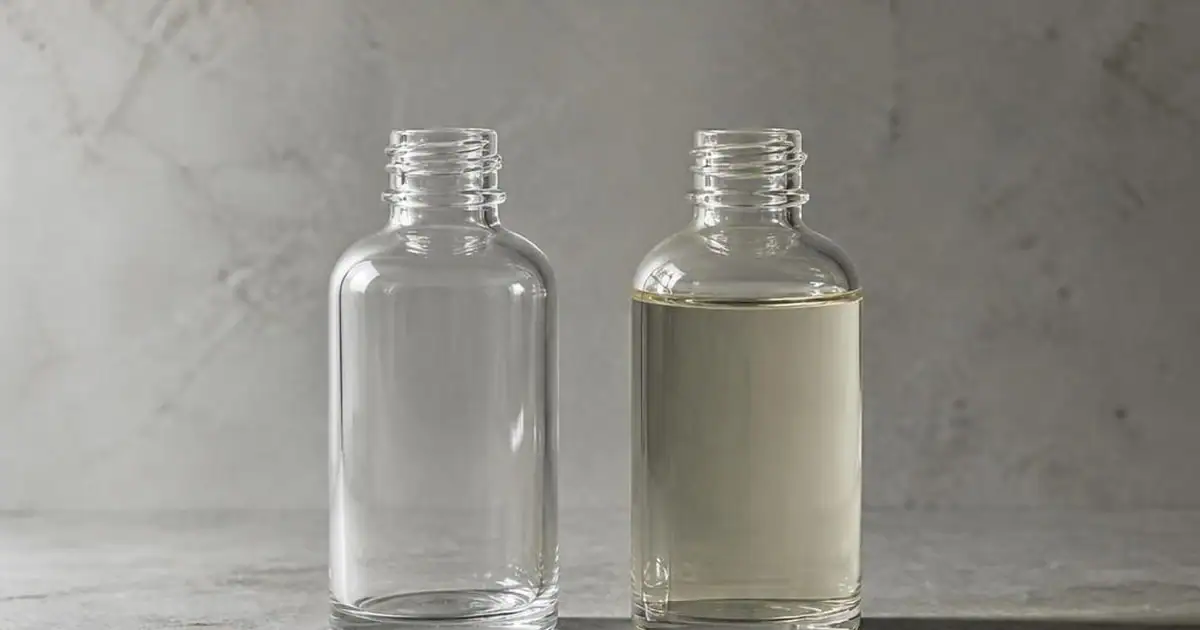
Quick answer: “Nicotine-free” or “0mg” vape juice means the liquid is labelled as containing no nicotine. In Australia, however, a 0mg label does not change the legal supply rules: since the 2024 national reforms, vaping goods — including products labelled nicotine-free — may only be supplied through participating pharmacies. Understanding what 0mg juice is, how it is made and how to read a label matters more than the claim on the bottle.
This guide explains what nicotine-free vape juice is, what its ingredients are, how the label relates to Australian law, and what to check before you rely on a “0mg” product. It is general information, not legal or medical advice. Vaping regulation can change, so check the Therapeutic Goods Administration (TGA), the Australian Department of Health and your state or territory health authority before acting.
What is nicotine-free vape juice?
Nicotine-free vape juice is e-liquid sold with a claim that it contains no nicotine. It is sometimes labelled “0mg”, “0 mg/mL”, “zero nicotine” or “nicotine-free”. The liquid is made to be heated in a vaping device and inhaled as an aerosol.
The main ingredients of e-liquid are usually:
- Propylene glycol (PG) — a carrier liquid that carries flavour and produces throat hit;
- Vegetable glycerin (VG) — a thicker liquid that produces more visible vapour;
- Flavouring — food-grade or vape-specific flavouring concentrates;
- Optional nicotine — the ingredient a “0mg” product claims to exclude.
If you want the detail on how PG and VG affect the feel of the vapour, our PG vs VG guide explains the differences and why the ratio matters.
Does “0mg” mean no nicotine at all?
A 0mg label is a claim made by the manufacturer or seller. It does not, by itself, prove that the liquid contains no nicotine, because:
- the product may not have been independently tested;
- label accuracy can vary between brands and batches;
- in Australia, vaping goods are not approved consumer products with verified ingredient lists — the TGA has not assessed the safety or quality of most vapes for individual use;
- an unlabelled liquid may contain nicotine or other undeclared substances.
For consumers, the practical implication is that the claim on the label is only as reliable as the product’s origin and testing. This is one reason Australian health authorities advise that no vape — including nicotine-free vape juice — should be treated as harmless or verified. Our article on Australian rules for nicotine-free vapes covers the legal and compliance side of this distinction in more detail.
Is nicotine-free vape juice legal in Australia?
Since 1 July 2024, Australian Commonwealth reforms treat vaping goods as a regulated product category, whether or not they contain nicotine. In practice this means:
- vapes and vaping liquids can only be supplied through participating pharmacies for smoking cessation or the management of nicotine dependence;
- tobacconists, convenience stores, general vape shops and general online retailers cannot lawfully sell them, even when the label says 0mg;
- the sale and supply rules are the same regardless of whether the liquid contains nicotine.
So the legal answer to “is nicotine-free vape juice legal in Australia” is: it depends on how it is supplied. The lawful pathway is through a participating pharmacy under the therapeutic goods framework, not through general retail. For a fuller walkthrough of the pharmacy pathway and prescription rules, see our Australian nicotine prescription guide.
Nicotine-free vs low-nicotine: reading the label correctly
Labels can be misleading in several common ways:
| Label claim | What it usually means | What it does not prove |
|---|---|---|
| “0mg” or “0mg/mL” | The seller claims the liquid contains no nicotine | Independent testing, lawful supply, ingredient accuracy |
| “Nicotine-free” | Marketing claim of zero nicotine | Exemption from Australian vaping-goods rules |
| “Low nicotine” | Nicotine is present at a claimed level | That the level is accurate or that supply is legal |
| “50mg” or “50mg/mL” | Nicotine is present at a high claimed level | Compliance with Australian nicotine limits or approval |
In Australia, consumer labels on vaping liquids are not independently verified the way approved therapeutic goods are. A familiar brand name, professional packaging or an Australian-looking website is not evidence that the nicotine claim is accurate or that the supply pathway is lawful. For guidance on how strength labels work in general, see our nicotine strength guide for Australia.
Why do people choose nicotine-free vape juice?
People may look for 0mg e-liquid for several reasons: they want the hand-to-mouth ritual without nicotine, they are tapering off nicotine, they vape in situations where they prefer no nicotine, or they are curious about flavours. Each of these is a personal choice, and this article does not recommend any product.
What matters for decision-making is the evidence base. Australian health authorities state that vaping is not risk-free, and the long-term effects of inhaled aerosol — with or without nicotine — are not fully understood. If the goal is to quit nicotine or manage dependence, a GP, pharmacist or Quitline is the appropriate place to start, not a product label.
If you are comparing vaping and other nicotine products more broadly, our nicotine salts vs freebase comparison and disposable vs reusable vapes guide cover the product-level differences.
How to check a nicotine-free claim responsibly
Before relying on a 0mg claim, you can ask a set of practical questions:
- Who is the supplier? Is it a participating Australian pharmacy, or a general retailer with no lawful pathway?
- Is the product presented for a therapeutic purpose (smoking cessation) rather than as a recreational consumer good?
- Does the seller explain pharmacist consultation and age verification?
- Has the product been tested, and by whom? Is there a batch or notification identifier?
- Are the contact details consistent with a real, registered pharmacy?
A website that says “0mg, so no prescription needed” without explaining the pharmacy-only rule is a warning sign. No-prescription pharmacy supply can be lawful for some adult purchases, but it still involves a participating pharmacy and pharmacist assessment.
Does nicotine-free vape juice exist in the lawful Australian pathway?
Yes. The therapeutic vaping framework includes products with and without nicotine. The TGA’s vaping reforms apply to the category of vaping goods, so a 0mg liquid that meets the product-standard requirements can in principle be supplied through the pharmacy pathway. Whether a particular product is actually available depends on the pharmacy’s stock, the pharmacist’s professional judgement and the individual’s circumstances.
If you are in Queensland, note that the same national rules apply: vapes can only be purchased from pharmacies, and it is illegal for other retailers to sell any type of vaping good regardless of nicotine content. State and territory rules can add further restrictions, so check local health authority guidance as well. For the wider national picture, our guide to whether vaping is legal in Australia is a good starting point.
Key takeaways
- “Nicotine-free” and “0mg” are label claims, not verified facts or legal exemptions.
- Since the 2024 reforms, Australian law treats vaping goods as a category — nicotine-free liquids are not exempt from pharmacy-only supply.
- No Australian authority has assessed most vapes as safe for individual use; absence of nicotine does not mean absence of risk.
- If you are quitting nicotine or managing dependence, start with a GP, pharmacist or Quitline rather than a product label.
References
- Therapeutic Goods Administration (TGA) — Vaping hub: regulation of vapes in Australia
- Australian Department of Health — Vaping and smoking information
- healthdirect Australia — Quitting smoking and vaping
- Queensland Government — Smoking laws in Queensland (vape supply rules)





Leave a comment