
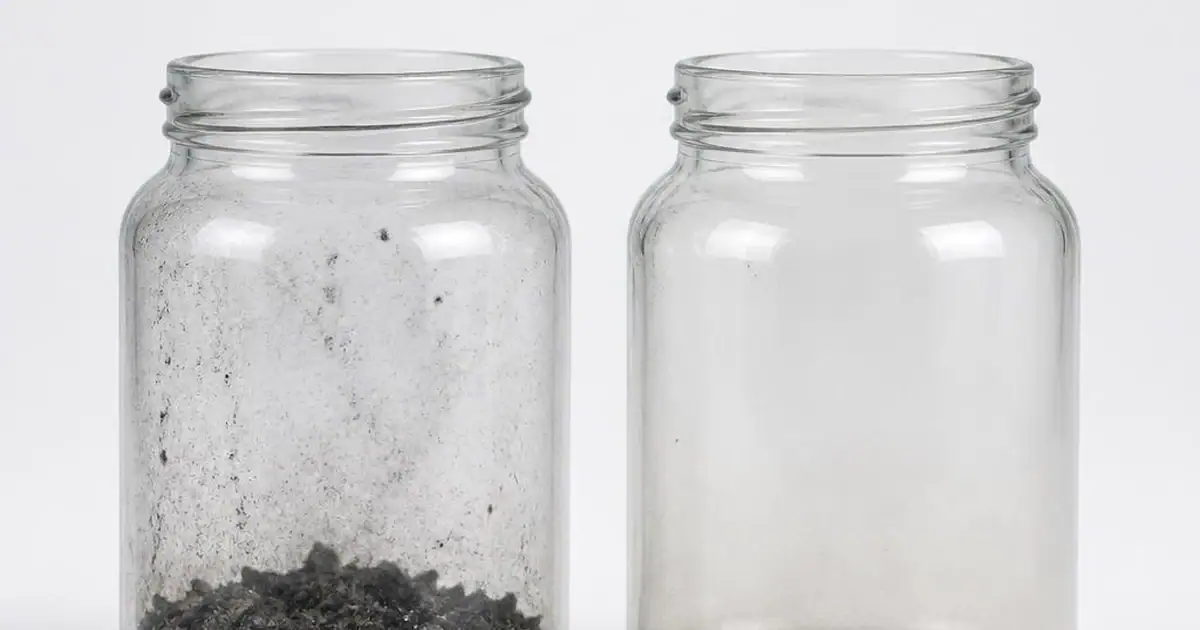
Smoking and vaping are not equally well understood, and neither is harmless. Cigarette smoke is produced by combustion and contains thousands of chemicals, including many known toxicants and carcinogens. Vape aerosol does not involve tobacco combustion, but it can contain nicotine, fine particles, flavouring chemicals, metals and other substances that may affect health.
The useful question is therefore not “which one is healthy?” It is how the known risks differ, what remains uncertain, and what an Australian smoker should discuss with a health professional when trying to quit. This article was reviewed on 7 August 2026 and provides general information rather than personal medical advice.
Vaping versus smoking: the short answer
Smoking remains a major cause of preventable disease and death because repeated exposure to tobacco smoke damages almost every organ. Vaping avoids combustion, so its aerosol generally has a different toxicant profile from cigarette smoke. That does not make vaping safe, and the long-term health effects are less certain because widespread use is relatively recent.
For an adult who already smokes, completely stopping cigarettes is the priority. Established quitting treatments and behavioural support should be discussed first. A therapeutic vape may be considered for smoking cessation or nicotine dependence in some cases through Australia’s pharmacy pathway. People who do not smoke should not begin vaping.
How exposure differs
| Issue | Smoking | Vaping |
|---|---|---|
| How the aerosol is produced | Tobacco is burned, creating smoke and combustion products. | Liquid is heated to form an aerosol; there is no tobacco combustion. |
| Nicotine | Usually present and dependence-forming. | Often present and dependence-forming; labels may not always be reliable outside regulated supply. |
| Known long-term evidence | Extensive evidence links smoking to cancer, cardiovascular disease, lung disease and premature death. | Evidence confirms health risks, but lifetime effects and the size of many long-term risks remain uncertain. |
| Second-hand exposure | Tobacco smoke harms people nearby. | Aerosol is not harmless water vapour and can expose others to nicotine and other substances. |
| Australian access | Tobacco remains legally sold to adults under retail and state or territory controls. | Vapes can only be lawfully supplied through pharmacies under strict therapeutic rules. |
What is well established about smoking?
The harms of smoking are not controversial. Tobacco smoke exposure is causally linked to lung cancer, chronic obstructive pulmonary disease, cardiovascular disease, stroke and many other conditions. The risk accumulates with exposure, but quitting is beneficial at any age. Reducing cigarette consumption without stopping may not reduce risk as much as people expect, because smoking patterns can change and even low levels of smoking remain harmful.
For this reason, a quitting plan should aim for complete cessation rather than a permanent pattern of fewer cigarettes plus ongoing vaping.
What is known about vaping risks?
Australian health authorities state that vaping is not safe. Vape aerosol may contain nicotine, volatile organic compounds, particulate matter, flavouring chemicals and metals. Reported effects include nicotine dependence, poisoning, burns or injuries from devices, respiratory symptoms and exposure of bystanders. Nicotine can be especially harmful during pregnancy and for the developing brains of adolescents and young adults.
Product variability is an important part of the risk. Illicit products may not match their labels, may use prohibited ingredients or concentrations, and may be stored or transported without reliable quality controls. A legal therapeutic product supplied by a pharmacy is not risk-free, but it is subject to product standards and professional oversight that an informal product does not have.
Does switching reduce harm?
A smoker who stops inhaling cigarette smoke removes the continuing exposure caused by tobacco combustion. International reviews have found that nicotine e-cigarettes can help some adults stop smoking, particularly when combined with support. However, that evidence does not mean every product is safe, every smoker will quit, or vaping should be used without clinical guidance.
Australia applies a more cautious therapeutic framework than ordinary retail markets. The Department of Health and Aged Care recommends proven quitting methods and professional support. The TGA pharmacy pathway allows therapeutic vapes to be considered for smoking cessation or nicotine dependence, while emphasising that these products are generally unapproved and have not been assessed like registered medicines.
The most important distinction is between complete switching away from cigarettes and dual use. If a person continues smoking while also vaping, exposure to tobacco smoke continues. Dual use should not automatically be described as harm reduction or a successful quit attempt.
What remains uncertain?
- The lifetime cardiovascular, respiratory and cancer risks of vaping.
- How risks differ across devices, ingredients, nicotine concentrations and patterns of use.
- The health effect of many flavouring chemicals when inhaled over long periods.
- The consequences of years of dual use.
- How accurately findings from regulated clinical products apply to illicit disposable products.
These gaps matter. A short-term reduction in certain smoke toxicants cannot be converted into a precise lifetime percentage or a promise of better health for an individual.
Why fixed safety percentages are misleading
Simple percentages are often repeated in marketing or social media, but they can hide differences in product quality, duration of use, disease outcome and study design. Australian authorities do not describe vaping as harmless or as a fixed percentage safer for every user. A responsible comparison should explain that smoking is extremely harmful, vaping has real risks, and uncertainty remains about long-term outcomes.
How cessation evidence should be interpreted
The Cochrane living review has reported that nicotine e-cigarettes can increase quit rates compared with nicotine replacement therapy in studied settings. That finding concerns smoking cessation outcomes, not proof that long-term vaping is safe. Study products, support and follow-up may also differ from products sold illegally in Australia.
For an Australian smoker, the practical step is to review all suitable treatments with a clinician or pharmacist. This may include counselling, combination nicotine replacement therapy, prescription medicines and, when appropriate, a therapeutic vape supplied under the legal pathway. Follow-up should assess whether cigarettes have stopped, whether adverse effects are occurring and how ongoing nicotine dependence will be managed.
Questions to ask before making a change
- Am I aiming to stop cigarettes completely?
- Which approved quitting treatments have I tried correctly and for long enough?
- Could my medicines or health conditions be affected when I stop smoking?
- How will progress and side effects be reviewed?
- What is the plan if I become a long-term dual user?
- How will I eventually reduce or stop nicotine use?
Bottom line
Smoking has severe, well-established health risks. Vaping avoids tobacco combustion but introduces its own risks and important long-term uncertainties. For a smoker, completely stopping cigarettes is likely to matter far more than changing brands or counting puffs. For a non-smoker, there is no health reason to start vaping. Australian adults seeking help to quit should use a pharmacist, doctor or Quitline to build an evidence-based plan.
References
- Australian Department of Health and Aged Care – About vaping and e-cigarettes
- Australian Department of Health and Aged Care – Quitting methods
- healthdirect – Vaping and e-cigarettes
- National Health and Medical Research Council – CEO Statement on Electronic Cigarettes
- Cochrane – Electronic cigarettes for smoking cessation
- Therapeutic Goods Administration – Information for individuals and patients





Leave a comment